Common rubbish collection problems for Kingston flats
Posted on 10/06/2026

If you live in a Kingston flat, you probably know the drill: bins fill up quickly, the communal area gets messy, and one missed collection can turn into a week of irritation. Common rubbish collection problems for Kingston flats are rarely dramatic on their own, but together they can make daily life feel more cramped, less hygienic, and honestly a bit more stressful than it should be.
That is especially true in buildings with shared bins, awkward access, limited storage space, or mixed tenant and leaseholder responsibilities. In our experience, the problem is rarely just "too much rubbish". It is usually a combination of access, timing, sorting, communication, and who is actually responsible for what. This guide breaks down the issues that come up most often in Kingston flats, what they mean in real life, and how to get on top of them without creating more hassle for yourself.
We will also look at practical fixes, a simple step-by-step approach, the best habits for residents and managing agents, and a few compliance points that are worth keeping in mind. To be fair, this is one of those topics that sounds small until your hallway smells a bit off on a warm afternoon. Then it becomes a priority very quickly.
Why Common rubbish collection problems for Kingston flats Matters
In a flat, rubbish is never just your problem alone. Shared bins, communal corridors, bin stores, and limited collection access mean one resident's bad habits can affect everyone else. That is why rubbish collection issues in Kingston flats tend to snowball faster than they would in a house with a private bin or driveway.
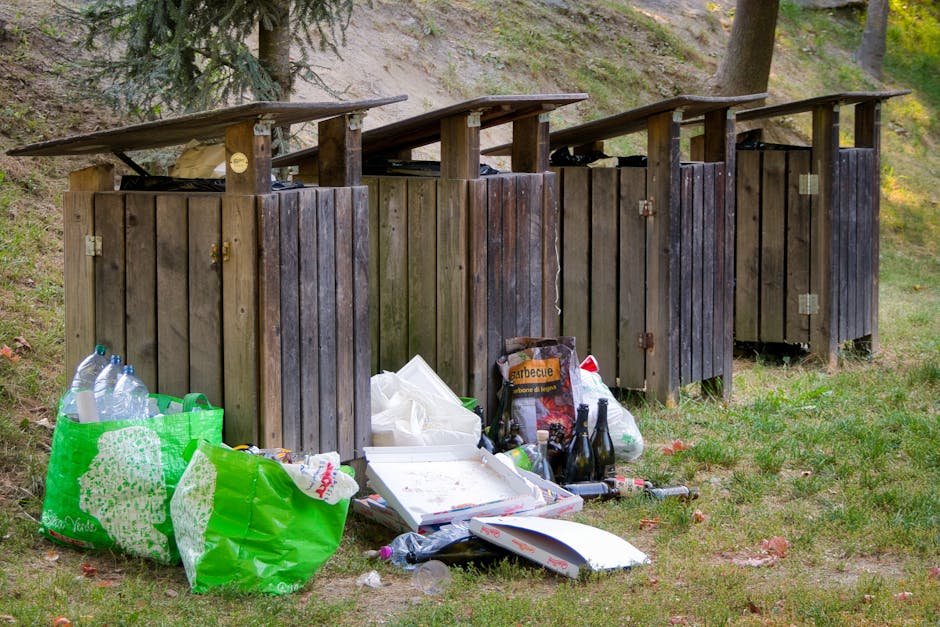
When collections are missed or bins are overloaded, the knock-on effects are immediate. You may see bags left in hallways, lids that will not close, spills in the bin store, or recycling mixed with general waste. Even if the problem starts small, it can quickly create odours, attract pests, and make the building look poorly managed.
There is also a practical side. If residents or landlords do not know the right disposal route for bulky items, broken furniture, or renovation waste, those items often sit around for days. That can cause friction between neighbours and sometimes complaints to the managing agent. If you are looking at the wider Kingston housing picture too, our guide to living in Kingston gives helpful context on the everyday realities of local flats and shared spaces.
And let's be honest: rubbish problems are one of those things people notice immediately. Clean communal areas make a building feel calmer. Messy ones do the opposite. Simple as that.
How Common rubbish collection problems for Kingston flats Works
Most Kingston flats rely on a combination of scheduled council collections, communal bin stores, private waste removal arrangements, or ad hoc clearances for larger items. The exact setup depends on the building, the landlord or freeholder, and whether the property is a small conversion or a larger managed block.
In practice, problems usually appear in one of five places:
- Access: collection crews cannot safely reach the bin area or bulky items are left where they block the route.
- Capacity: bins fill too quickly for the number of households using them.
- Sorting: recycling, food waste, and general waste are mixed together.
- Timing: collections do not align with move-in days, cleaning schedules, or clear-out periods.
- Responsibility: nobody is quite sure who should move bins, book extra collections, or deal with abandoned items.
For example, after a tenancy changeover, you might have cardboard, old bedding, and a dismantled desk all waiting in a corner. If the building only has regular general waste bins, that pile can sit there for days. It is not unusual, just inconvenient. And a bit grim by Thursday morning.
Some residents also assume that every item can go in the shared bin store. It cannot. Mattresses, wardrobes, large electricals, and builders' waste usually need a different collection method. If you are handling a bigger clear-out, the wider services overview can help you understand the difference between collection types before you book anything.
Key Benefits and Practical Advantages
Getting flat rubbish collection right is not just about avoiding complaints. It has real day-to-day advantages that make life easier for residents, landlords, and managing agents alike.
- Cleaner shared areas: fewer overflowing bins and less waste left in corridors or stairwells.
- Better hygiene: reduced smells, spillages, and pest attraction.
- Less neighbour tension: fewer arguments about whose rubbish is whose.
- Faster turnarounds: easier move-ins, move-outs, and refurbishments.
- Improved building appearance: the block feels more cared for and better run.
- Lower risk of mistakes: the right disposal route is clearer when everyone knows the system.
There is also a money angle, even if it is not always obvious. Poor waste habits can lead to repeated call-outs, emergency clearances, or unnecessary extra collections. If you want to avoid paying more than you need to, it is worth reading how to avoid hidden rubbish removal charges in Kingston alongside this article.
In a well-run block, people barely think about rubbish. That is usually the sign the system is working. Which, frankly, is the goal.
Who This Is For and When It Makes Sense
This topic matters if you are any of the following:
- a tenant dealing with overflowing shared bins
- a leaseholder trying to keep the building tidy
- a landlord or letting agent managing end-of-tenancy waste
- a managing agent responsible for communal areas
- a resident committee member fielding complaints
- someone moving into or out of a Kingston flat
- anyone handling a renovation, declutter, or bulky waste removal
It makes sense to think about rubbish collection problems before they become visible. That means at move-in, during tenancy renewals, before major clear-outs, and after any shared building changes. A bit of planning on a Friday afternoon can save a lot of frustration by Monday morning.
If you are buying a flat or comparing buildings, waste management is one of those "small" details that tells you a lot about how the place is run. Our Kingston real estate buyer's handbook and Kingston house purchase process articles are useful background reading if you are in that stage.
Step-by-Step Guidance
If rubbish collection in your Kingston flat feels chaotic, start with the basics. You do not need a grand strategy. You need a clear system that people can actually follow.
- Identify the type of waste problem. Is it general waste, recycling, bulky waste, food waste, or post-refurbishment debris?
- Check the collection setup. Find out whether your block uses council collections, a private arrangement, or both.
- Inspect access and storage. Can bins be moved easily? Is the bin store locked, too small, or awkwardly placed?
- Separate the waste properly. Keep recyclables, food waste, and general rubbish apart wherever possible.
- Remove bulky items quickly. Do not let a broken chair or old mattress linger in a communal hallway.
- Book extra help when needed. For larger volumes, use a collection method that matches the job rather than overfilling shared bins.
- Set a repeatable routine. A simple weekly check is better than waiting until there is a problem.
Here is the part people sometimes skip: write it down. A building note, resident email, or laminated bin-store guide can reduce confusion fast. It sounds boring, but boring is good here. Boring means fewer mistakes.
If your block is near busy streets or transport hubs, timing becomes even more important. Collections around Kingston Station, for example, can be easier when planned in advance. Our guide to same-day rubbish collection near Kingston Station KT1 is useful if you need a quicker turnaround.
Expert Tips for Better Results
Most flat waste problems are predictable if you have seen enough of them. The trick is reducing friction before it turns into a complaint.
- Keep bin labels simple. Use plain language. Nobody wants a mini dissertation on recycling rules at 7:30 a.m.
- Place bins where they are easy to use. If the lid is hard to lift or the route is narrow, people will start leaving bags elsewhere.
- Match capacity to occupancy. A building with many short-term lets or frequent visitors may need more frequent waste collection than expected.
- Plan for bin-day surges. Friday evenings and weekends often bring extra waste, especially in shared buildings.
- Use photo checks after clear-outs. A quick visual check helps confirm nothing has been left behind.
- Keep communal spaces clear. Cardboard boxes and flat-pack packaging should not sit in hallways "just for tonight". That rarely means tonight.
A small but useful habit is assigning one person to do a weekly look at the bin area. Not to police anyone, just to spot issues early. A loose bag, a broken bin lid, or a blocked route is much easier to handle before it becomes a smell-and-flies situation.
If your concern is broader than one building and includes reuse, recycling, and greener disposal choices, the company's recycling and sustainability approach is worth a look.

Common Mistakes to Avoid
Most recurring rubbish problems in Kingston flats come down to a few familiar mistakes. They are common for a reason.
- Leaving waste beside bins instead of inside them. Once that starts, others follow.
- Assuming someone else will deal with it. In communal living, that assumption gets expensive in time and patience.
- Mixing bulky waste with normal household rubbish. It clogs the system and often cannot be collected in the same way.
- Ignoring tenancy handover rubbish. A move-out pile can become a neighbour issue very quickly.
- Overfilling recycling bins. When lids will not close, contamination usually follows.
- Booking the wrong type of service. A standard collection is not always the right answer for a full flat clear-out.
One of the biggest mistakes is waiting until the waste is already causing a problem. At that point, people are annoyed, access may be blocked, and the clean-up is usually more awkward. Early action is simpler. Much simpler.
If you are dealing with the aftermath of a renovation, remember that builders' debris is a separate issue from household rubbish. The right place to start is usually builders' waste disposal in Kingston upon Thames, not a standard bin-store fix.
Tools, Resources and Recommendations
You do not need a lot of fancy tools to manage rubbish better in a flat. A few sensible basics can make a big difference.
- Clear bin labels: Useful for communal areas where multiple households share the same containers.
- Simple waste calendar: Handy for reminding residents when bins go out or when extra collection is expected.
- Storage bags or boxes for sorting: Makes recycling and general waste easier to separate inside a small flat.
- Wheelie-bin handling tools: Sometimes helpful in larger blocks where bins are heavy and awkward.
- Resident message template: Good for notifying everyone about a one-off clear-out, move, or collection delay.
- Professional clearance support: Best for bulky waste, house moves, or situations where shared bins are simply not enough.
If you are comparing services, it can help to look at waste removal in Kingston upon Thames alongside the more specific options for domestic or office-style waste. A shared building sometimes needs a mix of approaches, not one catch-all solution.
For mixed-use buildings or flats above shops, the pressure can be even higher. If your block sits near Kingston's retail areas, our article on rubbish removal for Bentall Centre shops in Kingston offers a useful sense of the pace and volume these areas can generate.
Law, Compliance, Standards, or Best Practice
Waste and rubbish handling in flats should always be approached carefully. The exact legal responsibilities depend on who owns the building, what type of waste is involved, and how the property is managed. That said, a few best-practice principles apply across the board.
Do not block shared fire routes or entrances with waste. It is a basic safety issue, and it also makes collections harder. Do not leave waste where it could slip, leak, or attract pests. Communal spaces need to stay passable and hygienic.
For landlords and managing agents, it is sensible to have a clear plan for waste storage, collection access, and resident communication. If a block regularly generates more waste than the bins can handle, that should be addressed structurally rather than patched over with ad hoc fixes.
Insurance and safety also matter. If waste is left in a way that creates a trip hazard, blocks access, or causes damage, the issue can move beyond inconvenience into liability territory. That is why a careful process matters. If you want a broader view of service standards and risk awareness, the site's insurance and safety information is worth reviewing.
Best practice, in plain English: keep waste contained, keep routes clear, keep communication simple, and deal with bulky items before they become a building-wide problem.
Options, Methods, or Comparison Table
Different rubbish problems call for different fixes. Here is a practical comparison that may help you choose the right approach for a Kingston flat.
| Method | Best for | Strengths | Limitations |
|---|---|---|---|
| Shared bin management | Routine household waste and recycling | Simple, low effort, suitable for ongoing use | Can fail quickly if residents overfill bins or ignore sorting |
| Scheduled extra collections | Busy blocks, move-ins, seasonal clear-outs | Prevents overflow and keeps communal areas cleaner | Needs planning and may not suit urgent jobs |
| Bulky waste removal | Mattresses, furniture, large items | Properly handles items that will not fit in shared bins | Usually not suitable for everyday waste |
| Flat clearance service | End of tenancy, probate, full declutter | Efficient for larger volumes and mixed waste | More involved than a standard bin solution |
| Communal clean-up routine | Recurring mess in bin stores or hallways | Improves long-term presentation and habit formation | Relies on steady enforcement and resident cooperation |
If the issue is a full flat, not just a bin store, a more complete clearance may be the better route. In those cases, house clearance in Kingston upon Thames can be more appropriate than trying to squeeze everything into communal waste arrangements.
Case Study or Real-World Example
Here is a realistic example from the kind of situation that comes up often in Kingston.
A small block of flats near local shops had recurring waste issues after tenant changeovers. One resident left cardboard boxes beside the bin store, another added a dismantled wardrobe, and soon the shared bins were too full for normal collections. Within a day or two, bags were being placed outside the store door. You can probably picture it. Not great.
The fix was not complicated, but it did need coordination. The managing agent checked the bin capacity, asked residents to flatten cardboard, arranged a one-off removal for the larger items, and added a short notice explaining what could and could not go in the communal bins. The weekly problem eased almost immediately.
What worked there was not just removal. It was clarity. Once residents understood what belonged where, the building stopped treating waste as an accidental free-for-all. It became predictable again, which is usually what people want more than anything else.
If you are dealing with a flat near Kingston's busier parts of town, the same idea applies whether you are close to the river, the station, or the shopping streets. Planning beats reaction. Every time.
Practical Checklist
Use this quick checklist if you want to get a grip on rubbish collection issues in a Kingston flat.
- Check what type of waste is causing the issue.
- Confirm whether your building uses communal, council, or private collection arrangements.
- Make sure bins are large enough for the number of households.
- Keep recycling, food waste, and general waste separate.
- Remove bulky items as soon as they appear.
- Keep hallways, exits, and bin-store access clear.
- Put a simple resident notice in place if the issue keeps repeating.
- Use a proper removal option for flat clear-outs or renovation waste.
- Review the area weekly, even if everything looks fine.
- Escalate early if the same problem keeps coming back.
Quick takeaway: if the waste system is confusing, people will default to convenience. If it is simple and visible, they usually follow it.
For residents or landlords who want a wider picture of local service options, the company's rubbish collection in Kingston upon Thames page is a sensible place to compare approaches.
Conclusion
Common rubbish collection problems for Kingston flats usually come down to three things: limited space, shared responsibility, and poor timing. Once you understand that, the rest becomes much easier to manage. Most problems are not really about rubbish itself. They are about systems that do not quite fit the way people live in flats.
The good news? A few practical changes can make a real difference. Clear labels, better communication, proper bulky waste handling, and a sensible collection routine will prevent a lot of stress. You do not need perfection. You just need a setup that works most of the time and can cope when life gets messy, as it does.
If you are facing a one-off clear-out or a recurring waste issue in a Kingston flat, take the small steps first, then scale up if needed. That usually gets you to the calmest result with the least fuss. And calm, in a shared building, is underrated.
Get a free quote today and see how much you can save.
 Tipper Van - Rubbish Collection and Builders Clearance Prices in in Kingston upon Thames, KT1
 Luton Van - Rubbish Collection and Builders Clearance Prices in in Kingston upon Thames, KT1